

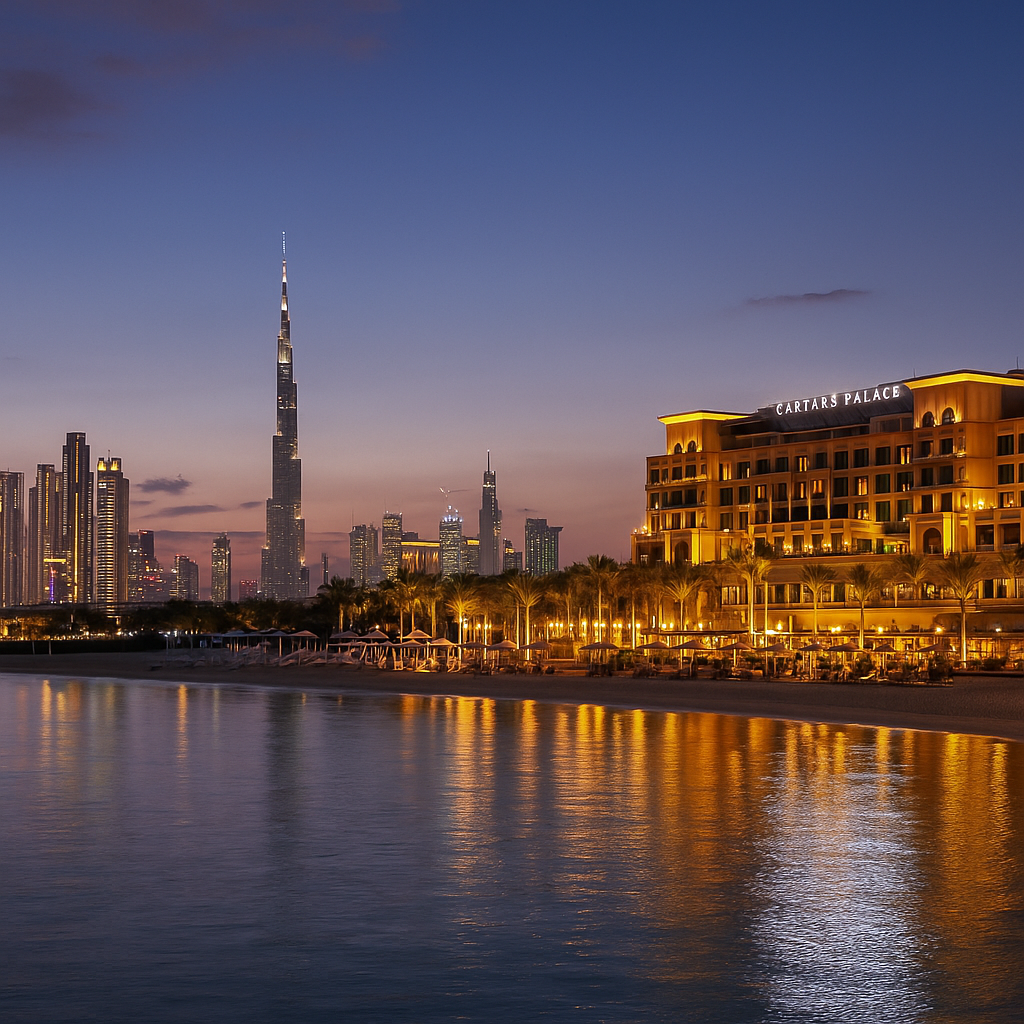
Dubai is a city of journeys: desert caravans, seafaring pearl divers, traders from the Indian subcontinent, Persia, the Levant and beyond. Its food is the same story — coastal fish barbecues side-by-side with saffron rice recipes that travelled with merchants, humble street shawarmas created for late-night workers, and modern chefs turning local flavours into hyper-luxury tasting menus. The result is a culinary skyline: ancient, migrant, cosmopolitan and always loud with spice and aroma.
A quick map for your appetite: paste any restaurant name into Google Maps or use the links I’ve given to open the shop page and pin it. Below we mix storytelling + practical restaurant picks so you can eat like a local, insider, or collector of tastes.
The neighbourhoods that feed Dubai’s soul
Walk through these and you’ll taste the city:
- Deira, Al Rigga & Al Karama — best cheap eats, Lebanese grills, Pakistani and Indian institutions.
- Satwa & Al Satwa Roundabout — beloved for old-school South Asian restaurants (Ravi, etc.).
- Jumeirah & The Fishing Harbour / Umm Suqeim — grilled fish shacks and coastal flavours (Bu Qtair).
- Jumeirah Beach Road / Al Hudaiba — shawarma and late-night Lebanese joints (Al Mallah).
- Dubai Mall / DIFC / City Walk — high-end restaurants, modern Emirati interpretations and global fine dining experiences.
Native Emirati dishes (what to try and why they matter)
Emirati cuisine is built on hospitality, long cook times, dates, rice and the sea. While some dishes are shared across the Gulf, they feel distinctly Emirati in their choice of spice balance, sweet use of dates and ceremonial role in family meals.
1. Al Machboos (Maqbous / Majboos) — rice with meat or fish, cooked with dried lemon (loomi) and warm spices
Why it’s loved: A communal, celebratory dish; each plate is fragrant with saffron, cardamom and the tang of loomi — a Gulf signature. Try it when you want the local “hearth” flavour. (Emirati/Gulf native).
Where to try: Al Fanar Restaurant & Café (Emirati classics in a traditional setting) — look for their Dubai Mall and Marina outlets (Al Fanar is a trusted Emirati-themed option).
2. Harees / Al Harees — slow-cooked cracked wheat and meat, silky and ceremonial
Why it’s loved: Textural comfort food often served at weddings and Ramadan feasts; slow-cooked to devotion. (Native/Emirati).
Where to try: Al Fanar and traditional Emirati kitchens and festival pop-ups.
3. Luqaimat — syrupy sweet dumplings: crunchy outside, pillowy inside, drizzled with date-molasses or honey
Why it’s loved: Street-friendly dessert with perfect contrast — hot, crisp and sticky. (Native; now everywhere in UAE). Try it hot and you’ll understand why everyone crowds around the carts. LOQA and local dessert cafés celebrate these dumplings.
Where to try: Luqaimat specialty cafes and Emirati restaurants — many cafés in Dubai souks and malls serve them.
4. Balaleet & Chebab (sweets and pancakes)
Why it’s loved: Breakfast traditions — sweet-and-savory balaleet (sweet vermicelli with egg) and chebab (Emirati pancakes) show how sugar, saffron and cardamom shaped morning meals. (Native).
Coastal & seafood classics — the city that fished
Dubai’s coastal appetite is old. Before skyscrapers, fishermen sold their catch in the same spots where you can still sit and eat it.
5. Grilled whole fish / Samak Mashwi
Why it’s loved: Fresh, simply seasoned, sometimes with a kerosene-charred flavour — pure seaside comfort (native coastal tradition).
Where to try: Bu Qtair — a legendary, no-frills fish shack by the water near Jumeirah/Burj Al Arab serving charcoal-grilled, spice-bathed fish and prawns. Order the masala fish and be prepared to queue — the seafood freshness is the draw. (Website/contact and location details available.)
Dishes that travelled and became Dubai famous
Dubai’s migrant workforce and merchant routes brought an entire world of flavours — and the city embraced them.
6. Shawarma (Levant / Levantine migrant favourite)
Why it’s loved here: Portable, flavourful, affordable — perfect for 24/7 Dubai life. Not native (Levantine/Turkish origins) but arguably one of Dubai’s most eaten late-night foods.
Where to try: Al Mallah (a Dubai institution for shawarma, falafel and Lebanese roadside specials). They started as a juice stall and grew into a local legend. Website/contact listed below; their Al Diyafah/Al Hudaiba branches are famous.
7. Kebabs, Haleem, Nihari & Biryani (South Asian immigrants)
Why they’re loved: The dozens of expatriate communities brought biryanis, rich gravies, slow-cooked meat dishes and kebabs — all of which became integrated into Dubai’s daily rotation.
Where to try: Ravi Restaurant (Satwa) — the beloved old-school Pakistani spot that locals and expats take visitors to for big, unpretentious, flavour-packed meals (biryani, kebabs, curries). Expect plastic chairs, friendly chaos and faithful spice. (Contact info and locals’ tips available.)
8. Mandi / Kabsah (Yemeni / Arabian Peninsula)
Why it’s loved: Fragrant rice cooked under the flame, sometimes in pits; strong Arabian Peninsula roots — Dubai picked these up because of trade and migration. Where to try: Many specialist Mandi restaurants and Yemeni eateries across Al Satwa and Deira.
9. Kunafa, Baklava, Mezze & Hummus (Levant/Turkish/Middle Eastern influence)
Why they’re loved: Mezze culture (small plates) fits social dining. Kunafa — the syrupy cheese-pastry — is Dubai’s dessert at many bakeries and cafés, while hummus and falafel are daily staples. Try mezze nights in Jumeirah and Marina for great spreads.
Street eats & late-night favourites (a scavenger’s romance)
- Karak chai — thick, cardamom-spiked tea with milk and sugar; you’ll find it in every petrol-station café and specialty karak shops. It traveled from South Asia and is now a Gulf institution.
- Manakish / Saj / Regag bread — Levantine flatbreads and Emirati thin breads, sold hot at bakeries and street stalls. Regag is especially Emirati.
Where to sip/stand/eat: local karak stalls, roadside bakeries in Al Karama and Al Satwa.
Fine dining & modern Emirati interpretations
Dubai’s chefs rework Emirati ingredients in tasting menus: camel milk panna cottas, date-smoked foie gras, saffron-infused sauces — often in hotel restaurants or innovative standalone places with theatrical plating. Look to DIFC and Dubai Mall for high-end spots and to Dubai Watch Week-style popups for curated local menus.
A curated list of famous food items and recommended places (quick reference)
I’ve grouped items by feeling — Heritage, Street, Sea, South Asia & Grills, Sweets & Mezze, and for each I give 1–3 places to try. For the restaurants below I include website/contact where I confirmed one is available and trusted sources for the recommendation.
Heritage (Emirati & Gulf)
- Al Machboos, Harees — Al Fanar Restaurant & Cafe (traditional Emirati setting; several outlets; a good introduction to classical dishes).
- Luqaimat — local Emirati cafés and dessert stalls (search “Luqaimat Dubai” or visit Al Fanar/heritage markets).
Sea & Coastal
- Grilled fish (Samak Mashwi), masala prawns — Bu Qtair, Umm Suqeim (near Burj Al Arab). Website/contact: Bu Qtair has a site with contact details and address. Expect simple, fresh seafood in a beachfront shack.
Street & Shawarma
- Shawarma, falafel, hummus — Al Mallah, Al Diyafah / Al Hudaiba (longtime local favourite; famous for shawarma and Lebanese fast food). Site/contact: Al Mallah official site.
South Asia & Grills
- Biryani, karahi, kebabs — Ravi Restaurant, Satwa — a decades-old institution beloved by locals and builders alike; great for authentic Pakistani flavours and value. Facebook/contact pages list numbers for delivery and branches.
Sweets & Dessert
- Kunafa, baklava, Umm Ali — many Lebanese and Egyptian patisseries across Deira and the Mall; try dedicated pastry shops in Al Karama and Zabeel.
Contemporary & Fusion
- Modern Emirati tasting menus — check restaurants in DIFC, Dubai Mall and hotel fine-dining lists (some rotate seasonal Emirati tasting menus).
Practical tips for eating like a local
- Follow the queues — long lines at humble shacks (Bu Qtair, Al Mallah, street karak vendors) mean guaranteed freshness.
- Share plates — many Middle Eastern meals are built for sociable sharing; order a few mezze and a main.
- Try karak with everything — it’s the local pick-me-up; sweet and caramelized, and perfect after a late-night shawarma.
- Respect timing & dress — some traditional cafés close during prayer; hotels and malls serve all day.
Quick restaurant contacts & links (the ones we verified while researching)
(Use these to drop pins in Maps — they are great starting points.)
- Bu Qtair (seafood shack near Jumeirah / Burj Al Arab) — site & contact: Bu Qtair Restaurant. Address: Old 32B Street, Fishing Harbour 2 (Umm Suqeim). Contact details on their site.
- Al Mallah (Lebanese / shawarma) — official site and information: Al Mallah – Authentic Lebanese Food (their site lists branches and contact). Phone (central): listed on site (their UAE contact pages). Popular branch: Al Diyafah Road / Al Hudaiba.
- Ravi Restaurant (Pakistani, Satwa) — long-standing local favourite; Facebook and TripAdvisor pages list phone numbers (examples: +971 4 331 5353 / +971 4 331 5454 — check their local page for the branch). Visit their social pages for opening hours and best dishes.
Why these items stuck around (the culture behind the food)
- Climate and geography shaped Emirati cooking: dates, dried lemons (loomi), preserved fish, and slow-cooked grains survived long journeys and desert life. (Native factors.)
- Trade routes brought spices, rice and new cooking techniques — biryani and mandi arrived with traders and workers, then became everyday staples.
- Cosmopolitan workforce turned Dubai into a global menu: chefs, migrant communities and entrepreneurs recreated hometown flavours (and improved them).
How to turn this into an edible itinerary (3-day tasting plan)
Day 1 — Old & Coastal: morning chebab & karak; lunch at Bu Qtair for grilled fish; evening mezze and sunset promenade.
Day 2 — Street & Spices: start with manakish, hit Al Mallah for shawarma, afternoon sweets (kunafa), dinner at a Mandi/Yemeni place.
Day 3 — Heritage & Fine Dining: Al Fanar for Emirati classics; afternoon markets; evening tasting menu at a DIFC chef restaurant (Emirati fusion).
Leave a Reply